
28 Mar
AI in Education: Transforming Learning in South Africa
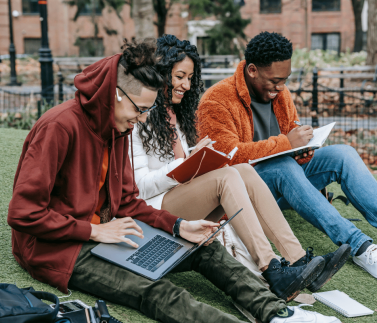
AI in Education is transforming learning across South Africa, from the busy streets of Johannesburg to the quiet classrooms in Limpopo, where teachers work hard to prepare students for the future. Some schools still struggle with basic resources, yet technology is bringing change. At places like the University of Cape Town and Wits, smart tutoring systems are helping students learn at their own speed. But AI is not here to replace teachers. Instead, it helps them spot learning gaps, give extra support, and make classrooms more inclusive. By embracing these tools, we can build a learning environment that respects our many cultures and languages while giving every student a fair chance to succeed. AI in Education is shaping a smarter, more connected way of teaching—one that works for everyone.
The Current Landscape of AI in Education
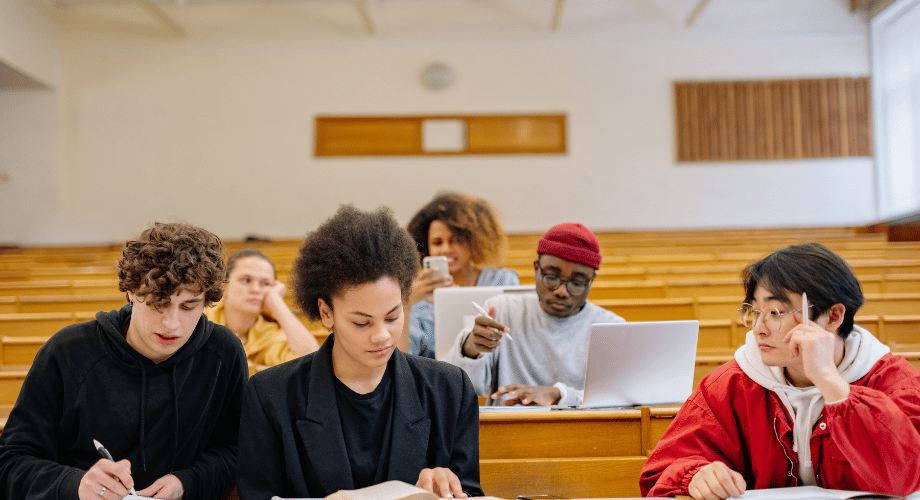
The implementation of artificial intelligence in South African education presents a fascinating dichotomy. While institutions like the University of Pretoria and Stellenbosch University embrace cutting-edge AI technologies, many township and rural schools are just beginning their digital transformation journey. Recent developments, however, show promising signs of bridging this digital divide.
Microsoft’s groundbreaking initiative to upskill one million South Africans in AI by 2026 marks a significant milestone in our educational landscape. This programme, announced in early 2025, demonstrates the private sector’s commitment to fostering digital literacy and creating employment opportunities in our communities.
Practical Applications in South African Classrooms
The integration of AI in our schools takes various forms, each addressing unique challenges within our diverse educational ecosystem:
- Intelligent Tutoring Systems: These systems, already implemented at institutions like Wits University, adapt to each learner’s pace and style, providing personalised support in subjects ranging from mathematics to physical sciences.
- Language Processing Tools: In our multilingual society, AI-powered translation and language learning tools are helping bridge communication gaps, ensuring learners can access content in their preferred language.
- Automated Assessment Systems: These tools assist educators in grading and providing feedback, particularly beneficial in large classroom settings common in our public schools.
Addressing Uniquely South African Challenges
The implementation of artificial intelligence in education faces distinct challenges within our context. Research led by African scholars highlights several critical considerations:
- Infrastructure Gaps: While urban schools might readily adopt AI tools, rural institutions often lack basic digital infrastructure. Solutions must be designed with offline capabilities and low-bandwidth options.
- Cost Considerations: Educational AI must be cost-effective and scalable to benefit both private and public institutions across our socio-economic spectrum.
- Cultural Relevance: AI systems need to incorporate local content and cultural contexts, ensuring relevance to South African learners.
Building Capacity and Expertise
The success of AI in education heavily depends on building local expertise and capacity. The Stanford AI+Education Summit emphasises the importance of developing a common framework for AI literacy – a principle particularly relevant to our context.
Our institutions are responding to this need:
- Universities are introducing AI-focused courses for educators
- Teacher training programmes now include digital literacy components
- Government initiatives are supporting professional development in educational technology
Ethical Considerations and Data Protection
As we embrace artificial intelligence in education, we must address crucial ethical considerations within our South African context. This includes:
- Protection of Learner Data: Ensuring compliance with POPIA (Protection of Personal Information Act)
- Equal Access: Preventing the creation of new forms of educational inequality
- Cultural Sensitivity: Maintaining respect for diverse cultural perspectives in AI-driven learning systems
The Role of Public-Private Partnerships
TThe way we learn is changing fast, thanks to AI. But to make sure everyone benefits, we need teamwork—government, businesses, and schools must work together. Some great things are already happening:
- The Department of Basic Education is working with tech companies to bring AI-powered learning tools to classrooms.
- Universities are teaming up with experts from around the world to study AI in education.
- Businesses are helping underprivileged schools get access to AI learning programs.
These efforts are helping students everywhere, from high-tech private schools to small rural classrooms. AI is already shaping the way we teach and learn, and South Africa has a big chance to use it for good. If we work together, we can make AI learning fair and helpful for everyone.
Want to see how AI can improve education? Visit Easy2Learn to explore exciting learning opportunities and be part of this change. Let’s build a future where every student gets the best education possible!