02 Jul
What Makes Block Play Best for Toddler Growth
Explore Block play best for toddler growth because it builds strong thinking skills, improves small hand movements, and encourages creativity. This simple activity helps toddlers learn shapes, balance, and problem solving while having fun.
Cognitive Development
Problem Solving Skills
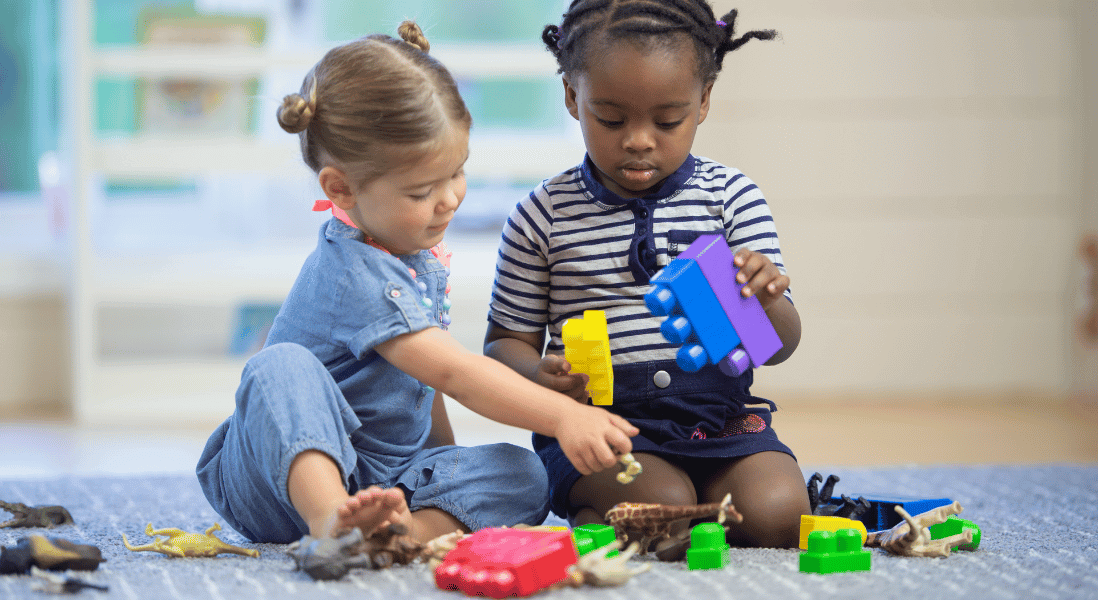
Block play is a fantastic way for toddlers to enhance their problem solving skills. When children interact with blocks, they face challenges that require them to think critically. They learn to plan, test their ideas, and adapt as they create structures. This process not only boosts creativity but also lays the groundwork for advanced problem-solving abilities in school and beyond.
Spatial Awareness
Engaging with blocks helps toddlers develop spatial awareness. By stacking and arranging blocks in various configurations, children begin to understand concepts such as size, shape, and the relationship between objects in space. This skill is essential not just for geometry but also for everyday tasks like navigation and organising physical spaces.
Memory and Attention
Through block play, toddlers also develop better memory and attention skills. As they focus on building and remembering how they constructed their structures, children store and recall important information. Enhanced memory skills are foundational for their educational journey, helping them retain knowledge in various subjects.
Motor Development
Fine Motor Skills
Manipulating blocks requires toddlers to strengthen their fine motor skills. Each time they grasp, lift, and place blocks, they are exercising the tiny muscles in their hands and fingers. These skills are directly related to essential tasks such as writing and using utensils as they grow older.
Gross Motor Skills
Block play is not just limited to fine motor actions, it also promotes the development of gross motor skills. Toddlers move around to gather blocks, bend down to pick up items, and stretch to stack them high. Such physical activity is crucial for overall health and fitness.
Social Development
Collaboration and Communication
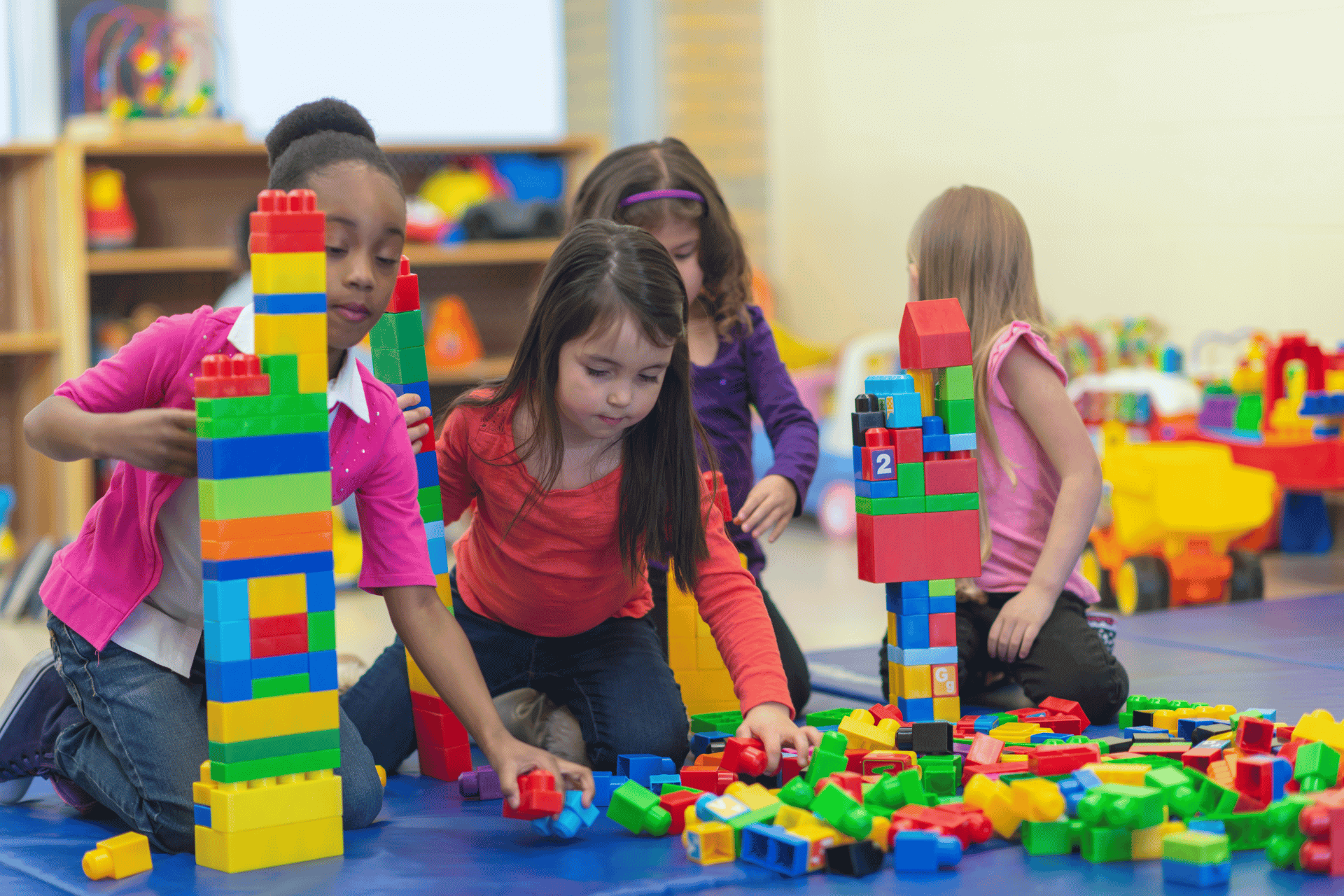
Playing with blocks is often a communal activity. When toddlers interact during block play, they learn essential social skills such as:
- Sharing
- Taking turns
- Communicating ideas
These experiences teach them how to express themselves and understand others, key components of emotional intelligence.
Emotional Intelligence
Block play can also foster emotional development. Children often experience frustration when their towers fall or when a block doesn’t fit where they want it. Learning to cope with these emotions builds resilience and empathy, vital for navigating social situations throughout their lives.
Final Thoughts
Block play helps toddlers grow in many ways. It boosts their thinking skills, improves how they move their hands and fingers, and helps them learn to play with others. Playing with blocks is not only fun but also helps them become stronger in solving problems and dealing with feelings. Each time a child plays with blocks, it supports their learning and builds skills they will use in the future.
Next Steps
- Add short daily block play sessions to your child’s routine.
- Sit with your child and build simple towers or shapes together.
- Talk about colours, shapes, and sizes while playing to build vocabulary.
- Visit trusted resources like the American Academy of Pediatrics or National Association for the Education of Young Children for more ideas on play activities.