27 Aug
How BELA Contributes to South African Education in 2025
BELA Contributes to South African Education by guiding how schools operate, setting clear rules for teachers, parents, and learners. In 2025, the law focuses on language, governance, and discipline to create stronger learning environments across the country.
Making Schools More Inclusive
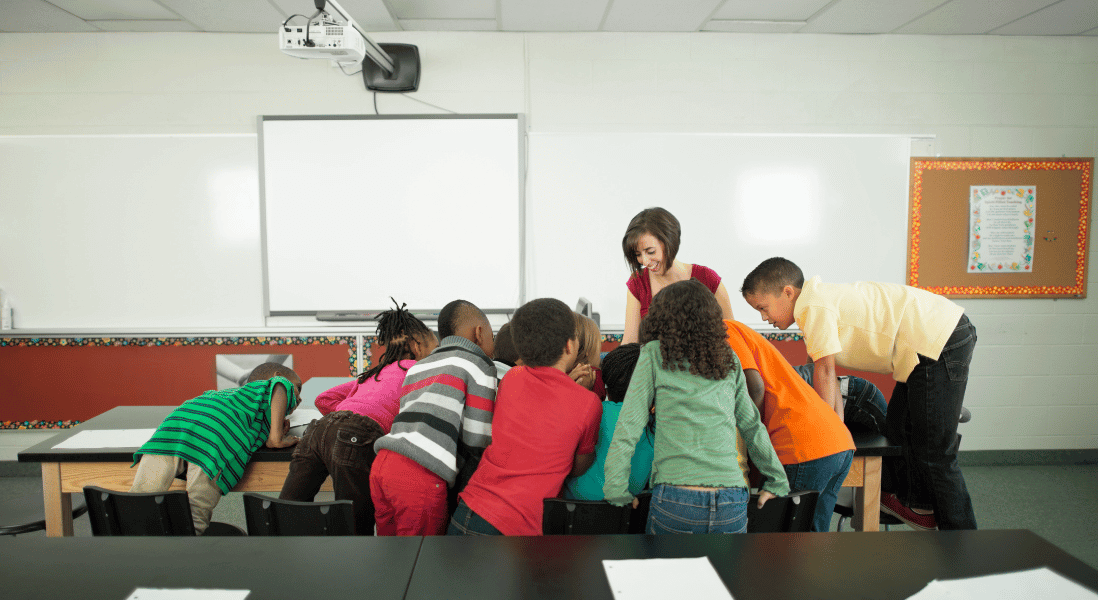
One of the main goals of BELA is to make schools more open to all children. For many years some schools had rules that made it hard for learners from different language or cultural groups to enter. BELA gives the Department of Basic Education more power to make sure schools welcome learners from diverse communities. This means more children will now have access to schools near their homes without facing unfair barriers. You can read more about the role of the Department of Basic Education in guiding schools across the country.
Improving Language Access
Language has always been a sensitive issue in South African schools. BELA introduces changes that give the government a stronger role in deciding the language policies of schools. The goal is to make sure learners are not left out because of the language of teaching. While some believe this is necessary for fairness, others worry it may affect mother tongue education. In 2025 the focus is on finding balance. You can learn more about language policy in South African schools and how it affects learners across provinces.
Strengthening Accountability in Schools
BELA also places more responsibility on schools to follow clear rules about admissions, governance, and discipline. School governing bodies still play a role, but the Department now has the final say in key areas. This ensures that schools serve the wider community and not only a small group of parents. It also helps reduce inequality between schools in wealthy suburbs and those in disadvantaged areas. If you want to see more about how schools are managed, you can look at this overview of school governance in South Africa.
Tackling Truancy and Compulsory Education
Another way BELA contributes is by making school attendance compulsory from Grade R up to Grade 12. Parents who do not send their children to school can face stronger penalties. This highlights the value of education in fighting poverty and creating opportunities for young people. In 2025 more schools are introducing support systems to help learners stay in class and complete their studies. To explore further, see this discussion on compulsory education and how it affects the rights of children.
BELA Contributes to South African Education By Addressing Alcohol in Schools
BELA also makes schools safer by banning alcohol on school grounds. In the past some school events allowed alcohol, but the new law makes schools alcohol free spaces. This protects learners, builds safer environments, and promotes positive values.
Why BELA Matters for South Africa in 2025
South African education faces challenges such as overcrowded classrooms, unequal resources, and language barriers. BELA is not the only answer, but it provides stronger rules to make schools fairer and more accountable. By focusing on inclusion, language access, governance, attendance, and safety, BELA helps create a better system that serves all learners.
Final Thoughts
BELA is more than just a law. It reflects South Africa’s ongoing effort to create equal opportunities for every child. In 2025 its impact is already being seen in schools and communities. While debates will continue, education remains the key to building a stronger and united nation, and BELA is an important step forward.