26 Mar
Can AI Transform Education to Ensure All Students Benefit?
In a classroom in Soweto, Grade 11 learners use their tablets, not for games, but to engage with an AI tutor that adapts to how they learn best. In a rural school in KwaZulu-Natal, teachers use AI-powered translation tools to explain tricky maths problems in isiZulu, making lessons more accessible. While some worry that artificial intelligence might take away jobs, our schools tell a different story—one of opportunity and progress.
AI Transform Education by bridging gaps and making learning personal in ways that were once impossible. From the lively streets of Cape Town to the quiet villages of Limpopo, this technology isn’t here to replace teachers. It’s here to support them, offering smart tools that adjust to each student’s needs and help educators teach more effectively.
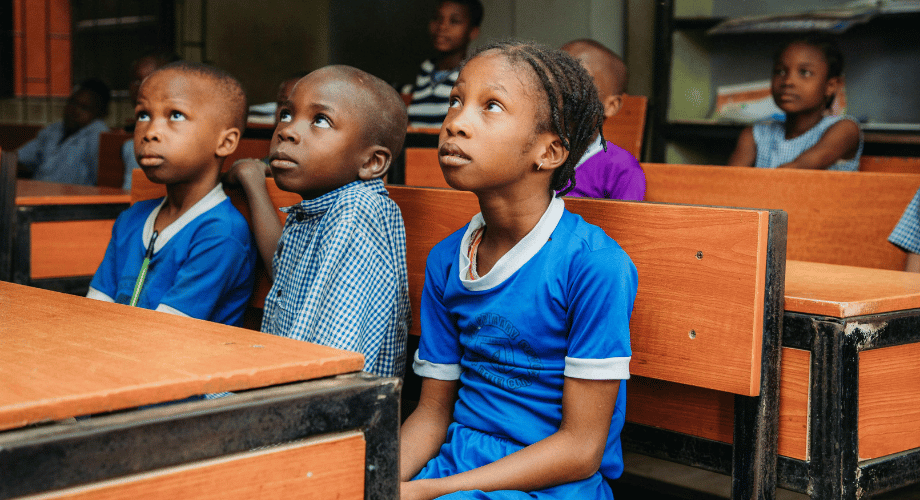
The Power of Personalised Learning in South African Classrooms
Gone are the days when a one-size-fits-all approach dominated our classrooms. AI-powered adaptive learning systems are revolutionising education across South Africa, particularly in addressing our unique multilingual and multicultural learning environment. At schools like Parktown High School for Girls in Johannesburg, AI platforms analyse each learner’s progress, adjusting the difficulty of mathematics problems in real-time based on individual performance patterns.
These intelligent systems don’t just track right or wrong answers – they understand the ‘why’ behind each mistake. When a Grade 10 learner in Pretoria struggles with trigonometry, the AI doesn’t simply provide the correct answer; it identifies the specific conceptual gap and adjusts the learning path accordingly, much like a patient teacher who knows exactly where their student needs support.
Breaking Down Language Barriers in South African Education
In our rainbow nation, where 11 official languages create both richness and challenges in education, AI is proving to be a powerful ally. The latest developments in Intelligent Tutoring Systems (ITS) are enabling seamless translation of complex academic concepts across languages. For instance, at rural schools in Limpopo, learners can now access quality mathematical content in Sepedi or Xitsonga, maintaining the integrity of the concepts while making them culturally relevant.
Empowering Teachers with AI-Enhanced Tools
Contrary to fears about AI replacing teachers, our South African educators are discovering how these tools can amplify their effectiveness. According to recent studies highlighted by eLearning Industry, AI-powered platforms can reduce administrative tasks by up to 40%, giving teachers more time for meaningful interaction with learners.
At schools like Crawford College in Sandton, teachers use AI to:
- Generate differentiated worksheets that cater to various learning levels
- Provide instant feedback on assignments, allowing for more focused intervention
- Create multilingual resource materials that reflect our diverse classroom demographics
Bridging the Digital Divide Through AI Innovation
While the potential of AI in education is immense, we must acknowledge South Africa’s unique challenges. The Department of Basic Education’s partnership with tech companies is bringing AI-enabled tablets to township schools, loaded with offline-capable learning applications that don’t require constant internet connectivity.
The University of Cape Town’s School of Education is pioneering research into low-bandwidth AI solutions that can work effectively in rural areas. These innovations ensure that artificial intelligence in education isn’t just another driver of inequality but rather a tool for democratising quality education.
Preparing Learners for an AI-Enabled Future
As artificial intelligence transforms education, it’s simultaneously preparing our youth for a future where AI literacy will be as crucial as traditional literacy. Schools like Bishops Diocesan College in Cape Town are integrating AI awareness into their curriculum, teaching learners not just how to use AI tools, but how to think critically about their application.
The focus isn’t merely on technical skills; it’s about developing:
- Critical thinking in an AI-augmented world
- Ethical understanding of AI applications
- Creative problem-solving abilities that complement AI capabilities
- Digital citizenship skills essential for the fourth industrial revolution
Measuring Impact: The Data Behind AI in South African Education
Early results from schools using AI-driven learning tools are exciting! In the Gauteng Department of Education’s Smart Schools Initiative, students using AI-powered tutoring systems have improved their math scores by an average of 23%. These smart systems help teachers identify struggling learners early, giving them the support they need to succeed.
AI is changing education in South Africa by making learning more personal, breaking down language barriers, and creating better opportunities for all students. As this technology grows, so do the possibilities for better, more inclusive learning. The future of education is here, and AI is leading the way! Want to see how AI can help students learn in smarter, more effective ways? Visit Easy2Learn to discover AI-powered learning solutions designed for South African students. The future of learning starts today—let’s embrace it together!